
Fayetteville Garage Door Guide
What Your Garage Door Is Trying to Tell You
Fayetteville homes built between 1969 and 2003 carry specific spring and track wear. Here's how to tell a noise that needs a call from one that doesn't.
- Licensed & Insured
- Same-Area Service Calls
- Upfront Pricing
When It Stops Being a DIY Job
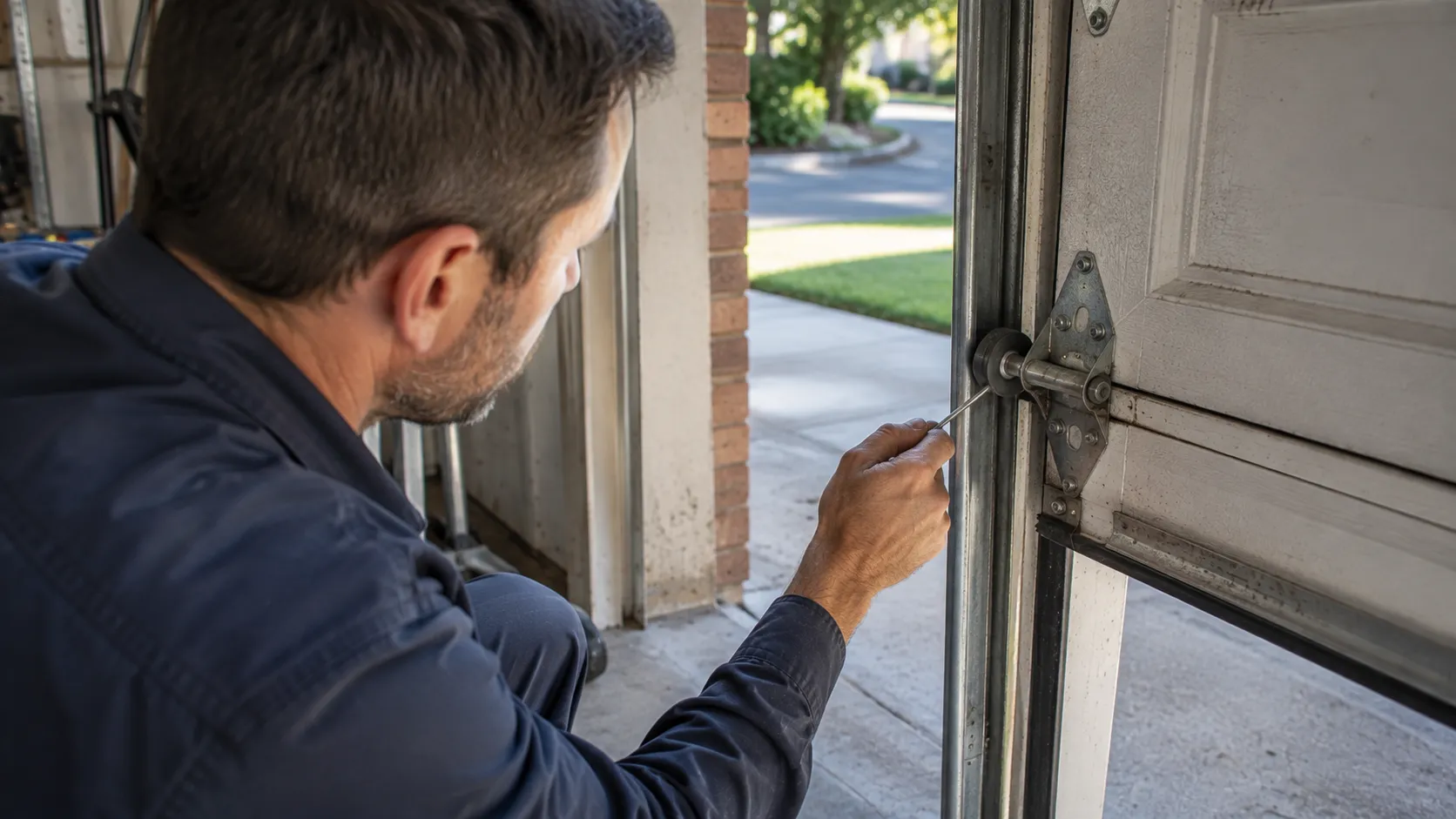
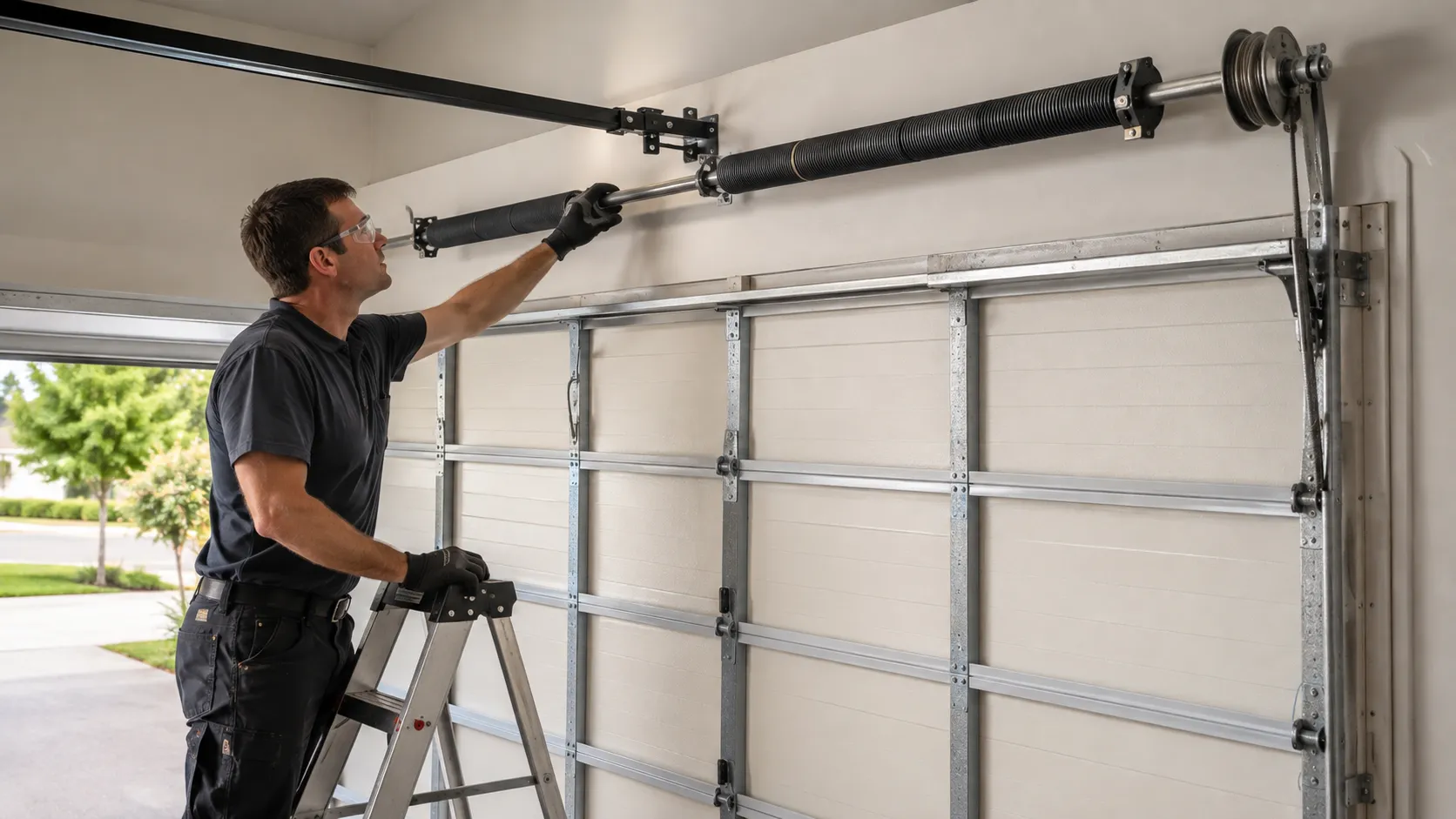
A lot of the houses out toward Spring Lake and Hope Mills went up in the same twenty-year stretch, roughly 1969 to 2003, which means a lot of doors are running original torsion springs that have simply worn past their rated cycle count. A grinding or scraping sound when the door travels is usually rollers in a track that's slightly out of plumb - that's a Saturday-morning fix. A loud bang followed by the door refusing to move, or a cable hanging loose off the drum, is a broken spring under tension, and that's not a job to open up yourself.
Torsion springs on doors from this era are wound tighter than most people expect, and the winding bars needed to release them safely aren't something most garages have lying around. If you hear metal-on-metal squeal that gets worse over a week, that's a bearing or a spring losing temper, not a lubrication problem. We'll tell you straight when something is a five-minute adjustment versus when it needs a service call - not every noise is an emergency, and we're not going to bill you for one.
What Most People Get Wrong
The most common mistake in houses built during the 1980s and 90s boom around here is treating every noise the same way - spraying WD-40 on it and hoping. That works on a squeaky hinge. It does nothing for a spring that's fatigued or a track that's bent from a bumper tap.
With 7,756 owner-occupied houses in this service area and median household income around $63,328, we see a lot of owners who'd rather diagnose it themselves first, which is fine, but the diagnosis matters more than the fix. A door that shudders halfway up is almost always a spring imbalance, not an opener problem, even though the opener is what people blame first because it's the part that's plugged in and visible. Another mistake: assuming a quiet door is a healthy door.
Springs on doors installed in the 80s and 90s are well past a reasonable service life even if they haven't failed yet, and a spring that's about to go often makes no sound at all right up until it does.
What Is Going On
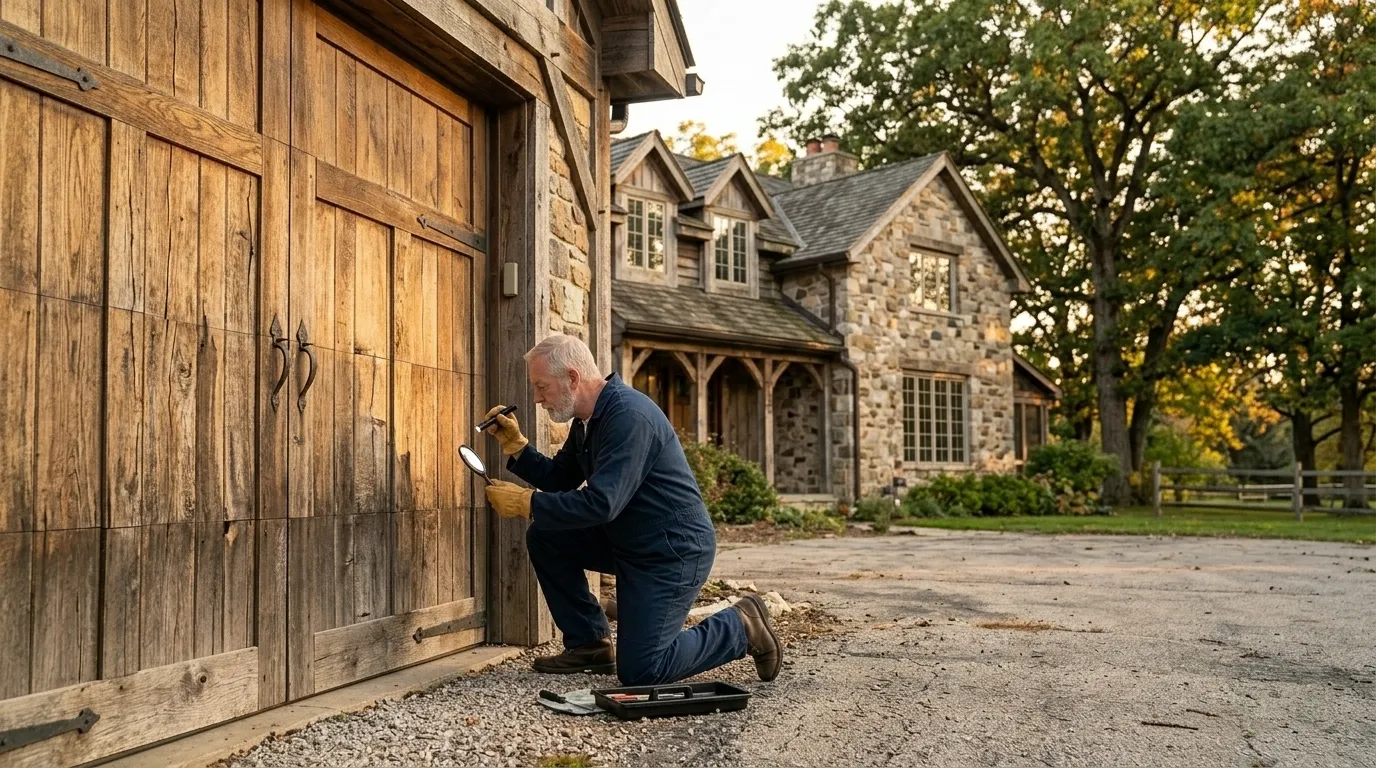
Across the ten or so named areas we work in - Spring Lake, Hope Mills, Rockfish, Eastover, Vander, and the rest out toward Wade and Godwin - the housing stock clusters tightly around a median build year of 1988. That matters because doors and openers installed then, or replaced once already since then, are hitting the end of their mechanical life around the same calendar window. Torsion springs are usually rated for a fixed number of open-close cycles, and a door used twice a day for over three decades has burned through that rating regardless of how it sounds.
Extension springs, more common on some of the older end of that build range, corrode differently and tend to give a visible warning - stretching or rust at the coil - before they snap. If your opener is original to a house built in that late-80s window, the gearing inside has likely stripped some teeth even if the motor still runs; that shows as a grinding whir with no door movement. None of this is dramatic.
It's just mechanical parts reaching the end of a long, ordinary service life at roughly the same time across the whole area.
What the Weather Here Does to It
This area sits in a cold-moderate climate band, which means winters cold enough to stiffen steel and grease but not cold enough to demand the extreme-duty hardware you'd see further north. That in-between zone is actually harder on doors built in the 70s through 90s than a truly harsh winter would be, because the hardware wasn't spec'd for either extreme - it splits the difference and shows fatigue from both directions. Cold mornings tighten torsion springs slightly and thicken old grease, which is why a door that ran fine in October starts groaning in January.
Humidity swings between seasons here also work on steel track brackets, loosening lag screws in door jambs over the years, which shows up as a door that shudders on one side. We don't recommend chasing every seasonal noise with a repair call - some of it is just the building settling into the season, and it quiets down again once temperatures level out. But a noise that shows up with the first cold snap and gets louder each week is worth a look before it becomes a stuck door on a morning you need to leave the house.
How We Can Help
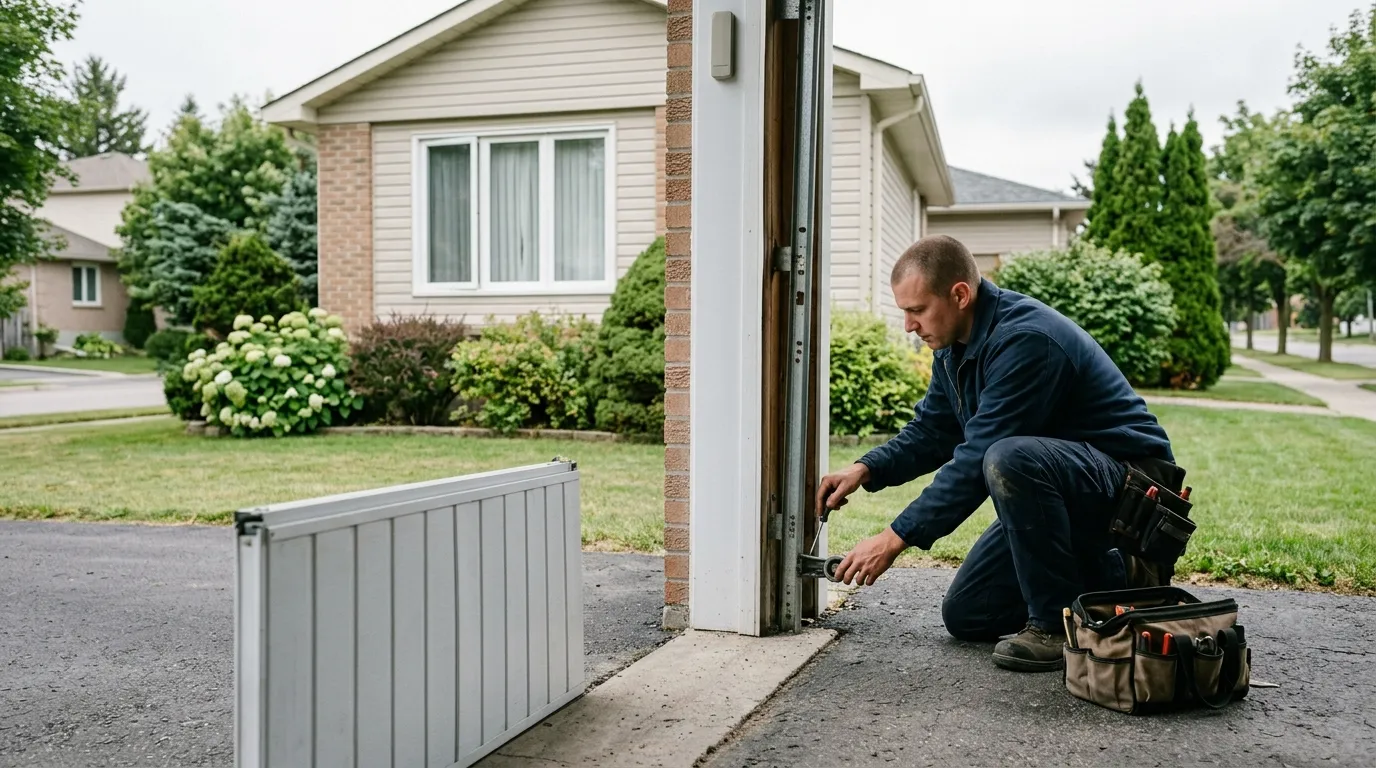
Garage Door Repair
Springs, cables, tracks, rollers, and openers fixed by a tech who explains the problem before touching anything.
Learn more →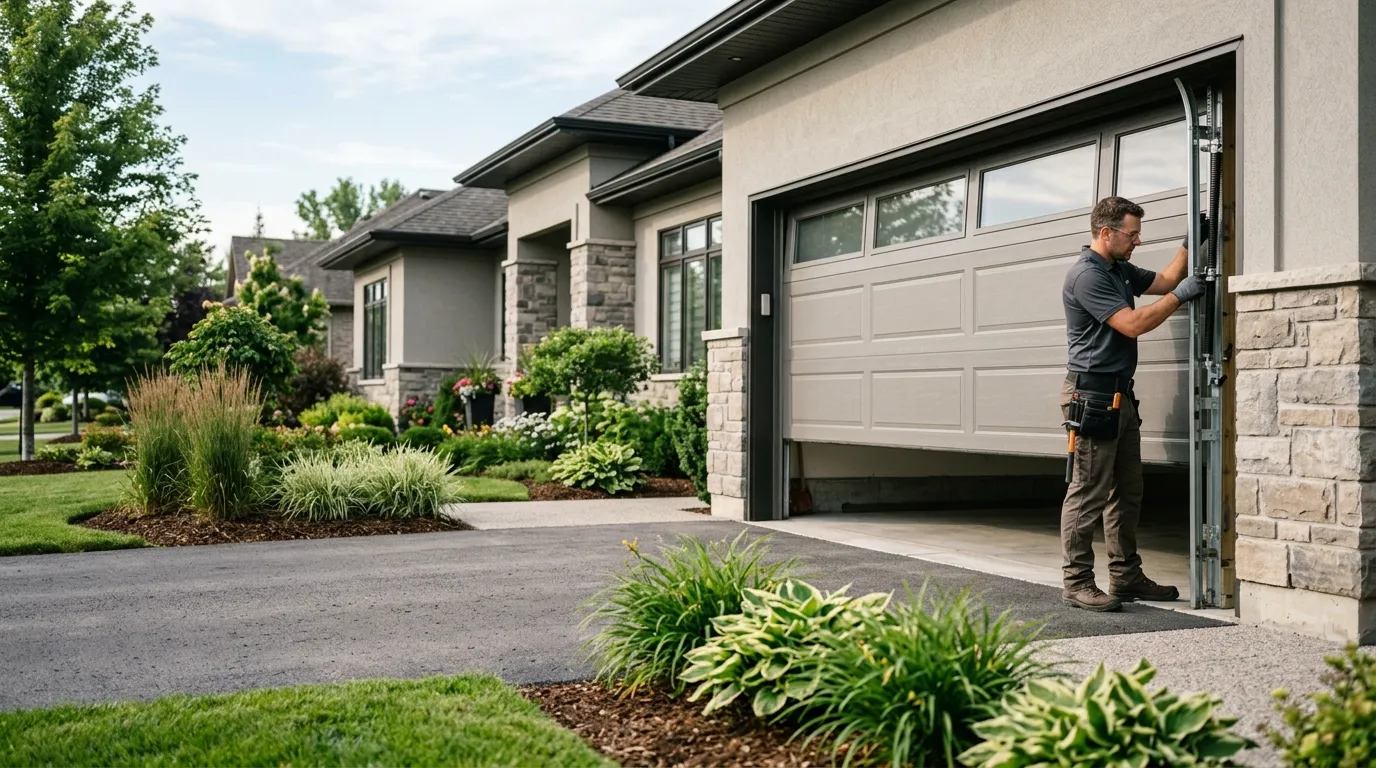
Garage Door Installation
New sectional doors sized and installed for the housing stock actually built in this area.
Learn more →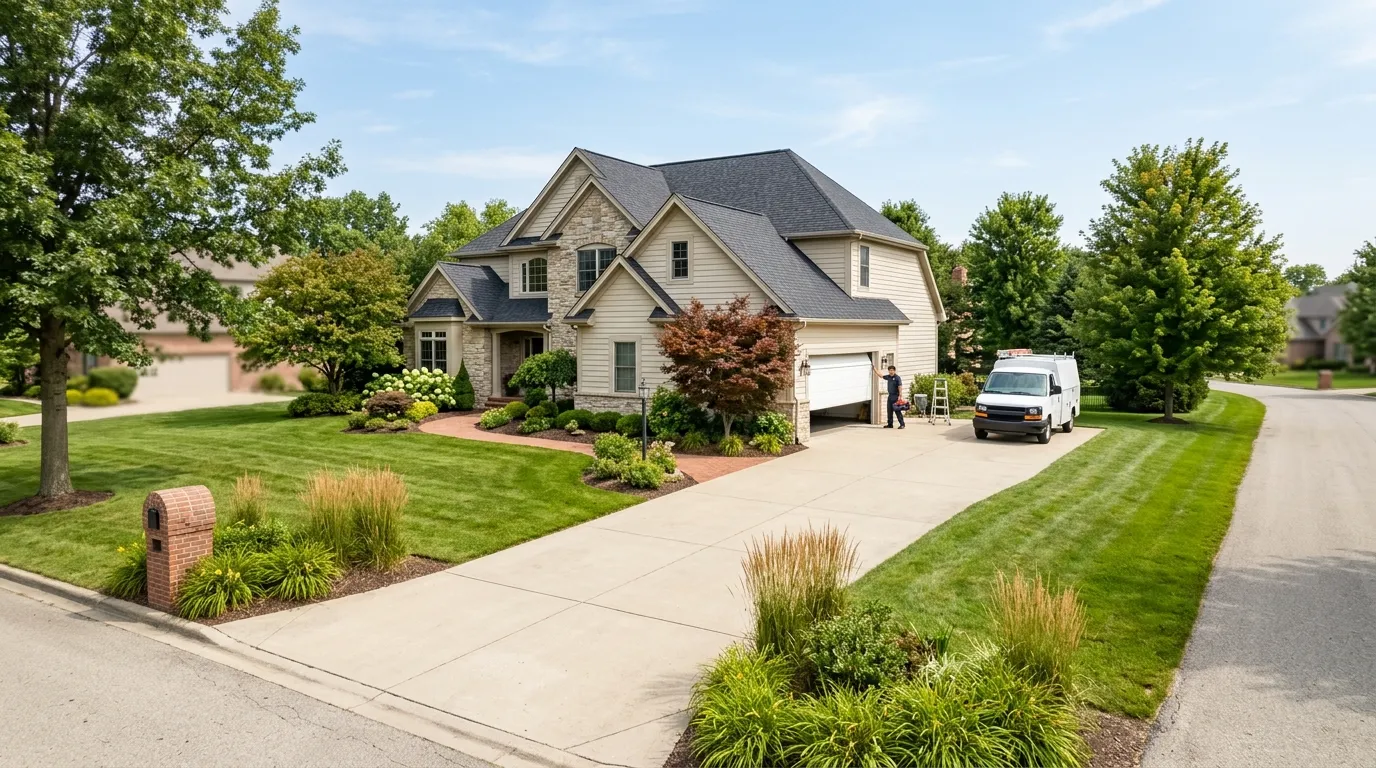
Garage Door Service
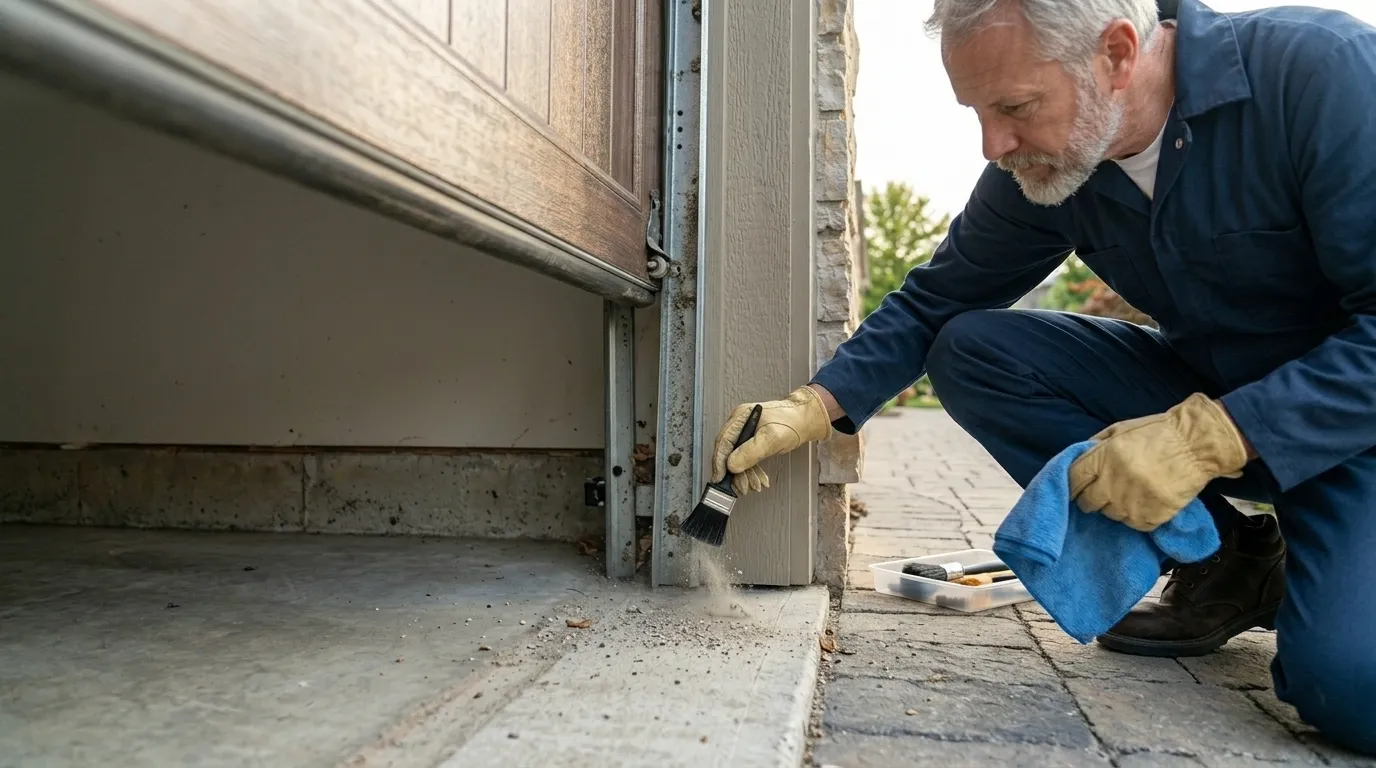
Tune-ups, lubrication, and safety checks that catch a small problem before it becomes a service call.
Learn more →Frequently Asked Questions
My door makes a loud bang and won't move - what happened?
That's almost certainly a broken torsion spring, common on doors installed anywhere from the late 1960s through the early 2000s once they've hit their cycle limit. The cable often goes slack at the same time. Don't try to force the door open manually - call it in, since releasing the wound spring safely needs the right bars and know-how.
Is a squeaky door just old age, or something to worry about?
Depends on the squeak. A steady squeal that gets worse over days often means a bearing or spring losing temper, especially in the colder months here when grease thickens. A one-off squeak after a bump is usually just a roller needing lubrication. If it's getting louder week over week, get it looked at.
Why does my door act up more in winter?
This area's cold-moderate climate stiffens old grease and slightly tightens torsion springs on cold mornings, which is harder on doors built decades ago than on newer hardware. It's not usually an emergency, but a noise that starts with the first cold snap and keeps getting louder is worth checking before it strands the door shut.
My opener runs but the door doesn't move - is that the motor?
Usually not. On openers original to houses from the 1980s and 90s building boom around here, it's more often stripped gear teeth inside the unit - you'll hear the motor whir with no door movement. That's a part-replacement job, not a full opener swap in most cases.
Have a Door That Needs a Second Opinion?
Call and describe what it is doing - we will tell you what it likely is.